
Giới Thiệu
Why a Multichain Wallet Needs a Better Portfolio Tracker, Smooth Swaps, and Real NFT Support
Whoa! I remember the first time I opened a multichain wallet and tried to make sense of everything. My instinct said this would be simple, but something felt off about the UI and the way assets were grouped. Initially I thought it was just me being impatient, but then I realized the tracker itself was the problem—data was stale and balances were scattered across chains. Actually, wait—let me rephrase that: the wallet architecture sometimes treats assets like isolated islands, which breaks the user story for anyone who holds tokens across three or four networks.
Okay, so check this out—portfolio trackers matter more than people admit. Short sentence. A tracker that normalizes token values, pulls on-chain history, and shows realized vs. unrealized P&L saves time and reduces costly mistakes. On one hand the math is straightforward, though actually the UX problems make accurate reporting tricky when you mix wrapped tokens and bridge receipts. My instinct still nags: if the tracker can’t show cross-chain liquidity positions clearly, users will mismanage risk or think they have more available than they do.
Swap functionality is where wallets get judged fast. Hmm… Swap rates, slippage, aggregator routing—those are the basics. A smooth swap flow hides complexity but must reveal the trade-offs before you confirm, because trust is fragile and fees add up. I used a few in-the-wild examples; some routes looked cheaper until I dug into the gas and platform fee layers and realized the apparent savings vanished. Honestly, if the wallet doesn’t offer aggregator-backed routing with clear price impact and optional limit orders, it’s just an on-chain calculator dressed as a product.
NFT support often gets tacked on like a novelty feature. Seriously? Many wallets show a flat grid without provenance or collection metadata, and that bugs me. NFTs are not just images; they’re on-chain histories, royalty settings, and sometimes layered ownership across smart contracts. (oh, and by the way…) a good wallet surfaces metadata, detects floor changes, and warns users about suspicious contract approvals. I’m biased, but a wallet that treats NFTs as second-class citizens will lose collectors and builders fast.
Security and privacy should never be an afterthought. Short example: seed phrases are sacred, but UX that pushes cloud backups without clear encryption warnings is risky. Something felt off when some apps asked for broad permissions to view NFTs or sign innocuous transactions—those prompts need context and better defaults. On one hand more features require more permissions; on the other, design can minimize risk by scoping approvals and offering hardware wallet integrations. My gut says users trust the product that makes secure behaviour easier than the alternative.
How I choose a wallet (and why you might too) with an example
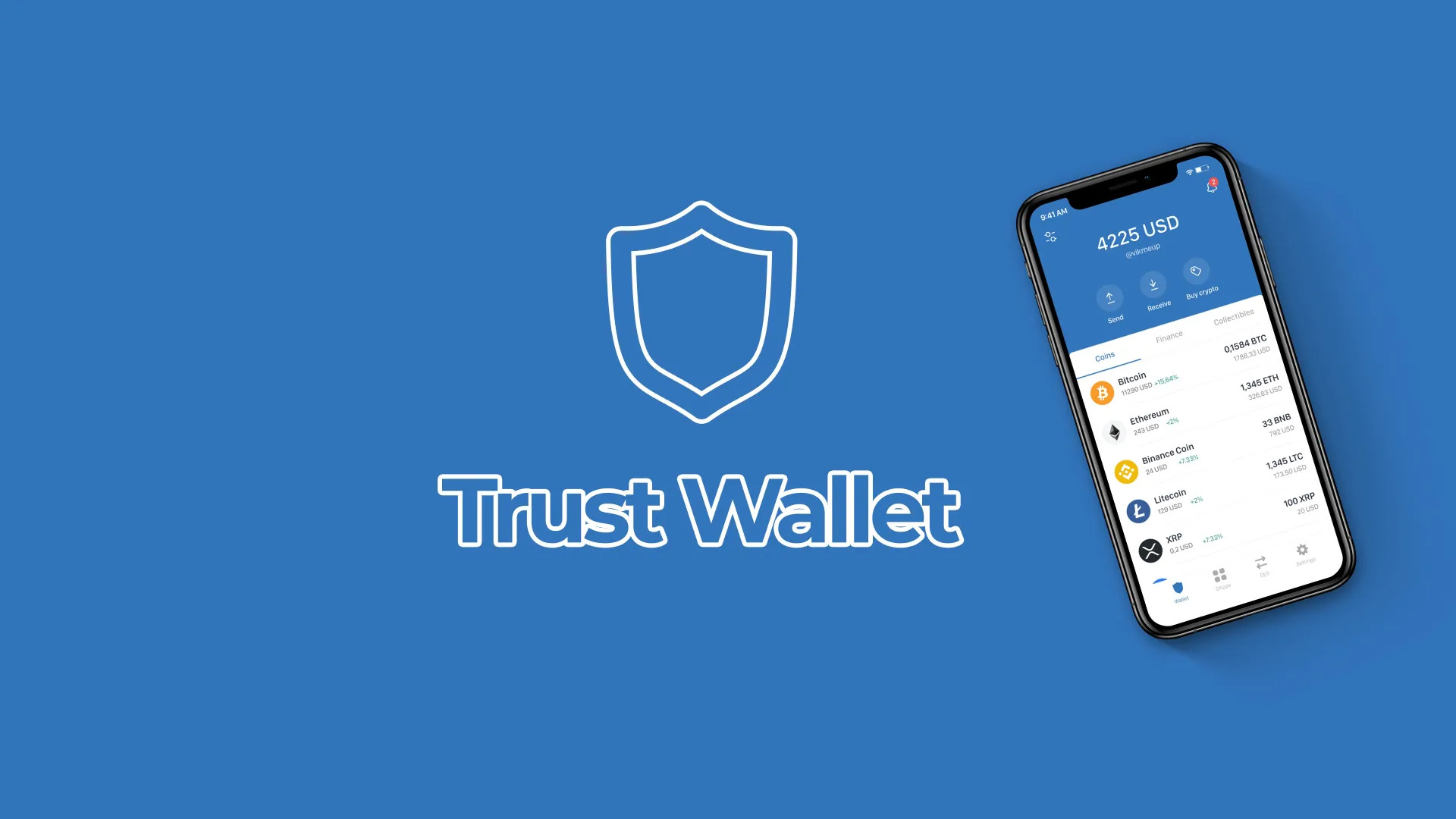
I tend to pick wallets that combine a clear portfolio tracker, robust swap execution, and meaningful NFT tooling—no compromises. Here’s the rub: UI polish alone won’t cut it if on-chain accuracy is weak, or if swaps route you through costly bridges without clear warning. I’ve tested dozens; the winners sync balances quickly, support native tokens across chains, and give users options for swaps and approvals without burying the risks. If you want a practical starting point, check this wallet for a compact balance of features and sensible defaults: https://sites.google.com/cryptowalletuk.com/truts-wallet/
Performance matters too. Short sentence. Wallets that poll every few seconds without batching will drain battery and push redundant RPC calls. Developers need to think like users here: caching, indexed queries, and selective updates improve both UX and backend costs. There’s also a social dimension—watchlists, price alerts, and simple sharing (read-only views) make managing a portfolio with friends or advisors much less painful. I’m not 100% sure on every feature roadmap I see, but those essentials keep popping up as real user needs.
Now let’s talk integrations. Token swaps are better when the wallet plugs into multiple liquidity sources, and when it offers guardrails like maximum slippage and route transparency. Longer explanation coming—aggregation reduces waste, though it requires more complex signature and routing logic under the hood. Bridges need careful handling; they introduce counterparty and smart-contract risk, and a wallet should flag when assets are locked in a bridge or when fees will be prohibitive. Okay, so the neat thing is that good UX can surface all these technicalities without sounding like a textbook.
On NFT marketplaces and support: short burst. Wallets should warn on unsafe approvals and show royalties, but they should also make on-chain provenance easy to read. Collections change, metadata updates break, and sometimes images vanish from the host server—so wallets that cache metadata and let users opt into IPFS or Arweave retrievals gain trust. I’m cautious about auto-listing features that sign transactions without a clear secondary confirmation. In practice, a two-step flow reduces regretted listings.
User education is a quiet feature. Seriously? People skip blog posts. But an inline tooltip that explains “why this permission matters” at the moment you need to decide is gold. Initially I thought longer tutorials were the answer, but micro-explanations during the flow actually improve outcomes. On the other hand, too many pop-ups annoy power users, though it’s better than silent risk. So the balance is subtle, and design teams should iterate with real humans in the loop.
Common questions
How does a portfolio tracker handle cross-chain assets?
Most trackers map on-chain addresses per network and normalize token values into a single base currency. Short answer: they aggregate balances via RPCs or third-party indexers, then apply market prices to present a unified view. Watch out for wrapped tokens and bridged receipts, since they can double-count or hide underlying positions if the logic is naive.
Are on-wallet swaps safe compared to DEXs?
Swaps executed through wallet-integrated aggregators still hit on-chain DEXs, but the wallet adds routing and UX. Generally they’re safe, though you should check slippage, approvals, and the exact contract you’re interacting with. Use hardware wallets for large trades and set conservative slippage to avoid frontrunning or unexpected execution.
What should I look for in NFT support?
Look for metadata provenance, contract verification, approval management, and the ability to view historical ownership. Bonus points for IPFS/Arweave integration and alerts for royalty changes or suspicious transfers. If a wallet hides contract details or makes approvals too easy, that’s a red flag.
